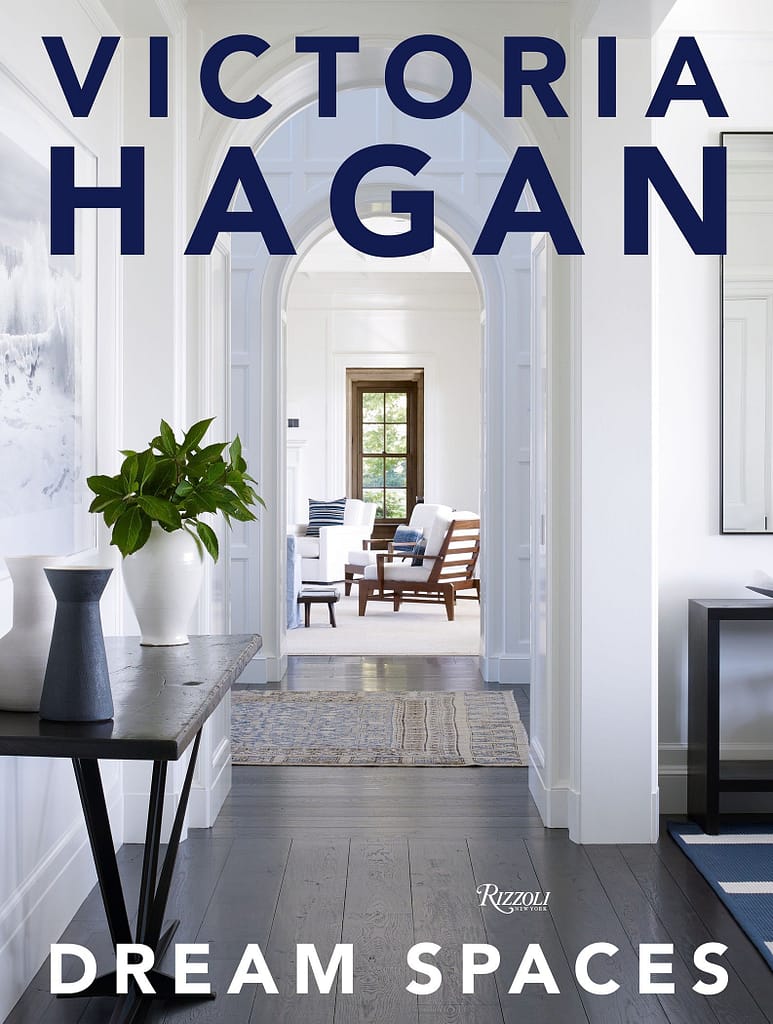
How Flexible Home Design Extends a House’s Lifespan
Flexible home design extends a house’s lifespan by allowing it to adapt to changing lifestyles instead of becoming outdated every time a family’s needs evolve. If you visit www.berliner-zeitung.de/article/die-stille-revolution-in-berlins-kiezen-wie-der-gebaeudebestand-die-wohnungsnot-lindern-kann-10073119, you’ll learn the reason why. But the strongest homes aren’t always the newest ones. They’re the ones that keep saying “yes” to life’s surprises. We’ve talked to experts about it and came to some surprising findings. Let’s break them down.

Adaptable Rooms Reduce the Need for Major Renovations
A home that changes with its owners stays useful much longer. A nursery can become a child’s bedroom, then a study, and later a guest room without requiring expensive structural work. That flexibility saves money while reducing the temptation to move somewhere larger. One room simply takes on a different role as life unfolds. Open layouts also make future adjustments easier. A dining area can become a workspace during the day and return to family dinners in the evening. Sliding doors, movable furniture, and modular storage support these transitions naturally. The house grows alongside the people living inside it instead of standing in their way.
Smart Layouts Keep Every Square Foot Useful
Unused rooms often become forgotten spaces collecting boxes and old furniture. Flexible design encourages every area to serve a practical purpose throughout the year. An attic might become a hobby room today and a teenager’s bedroom tomorrow. Even a wide hallway can become a comfortable reading corner with thoughtful planning. Storage contributes just as much as room size. Built-in cabinets, window seats with hidden compartments, and under-stair storage help families stay organized without adding clutter. A tidy home feels more spacious and easier to enjoy.

Modern Upgrades Help Older Homes Stay Relevant
A flexible house welcomes improvements without losing its original character. Updated wiring, efficient insulation, better windows, and improved heating systems keep the property comfortable while reducing operating costs. These upgrades support daily life without changing what makes the home special. Technology also fits naturally into adaptable homes. Smart lighting, wireless security systems, and programmable thermostats work alongside traditional architectural details. New features blend into older surroundings instead of competing with them.
Homes That Support Different Generations Stay Valuable
Families rarely stay the same forever. Children grow up, parents begin working remotely, and older relatives sometimes move in. A flexible layout accommodates these changes without forcing everyone into uncomfortable compromises. Accessibility also deserves attention. Wider doorways, step-free entrances, and bathrooms that can be modified later make the home easier to use as people age. Planning ahead often prevents expensive renovations later. It’s much easier to prepare before the need becomes urgent than after it arrives.

Flexibility Protects Long Term Value
A house that adapts stands a better chance of remaining desirable in the future. Buyers often appreciate homes that can easily support remote work, growing families, or changing routines without requiring immediate renovations. Practical design rarely goes out of style. It continues solving problems year after year. The longest-lasting homes succeed because they welcome change instead of resisting it. Strong construction provides the foundation, but flexible design keeps the building relevant through decades of shifting lifestyles. A well-planned house keeps earning its place as every new chapter begins.…