Why Timing Is Everything When You’re Changing Homes or Offices
When planning a home or office move, most people focus on packing, hiring movers, or choosing the right transportation. But one element often underestimated is timing. Picking the right time to move can be the difference between a smooth, affordable transition and a chaotic, costly one. Whether you’re moving across town or changing office addresses, the importance of selecting the right time cannot be overstated. If you’re planning your next move, consider working with a reliable man with a van in Canary Wharf to simplify the process. Here are the top reasons why timing matters when you’re relocating:
Avoiding Peak Periods Saves Money
The cost of moving services often varies depending on demand. Weekends, public holidays, and the end of the month are typically high-traffic times for moves. Choosing off-peak days, like mid-week or mid-month, results in lower rates and more availability from service providers. Early planning offers the opportunity to secure better prices and flexible scheduling. It’s not just about getting things done—it’s about getting them done without burning through your budget.
Better Availability of Moving Services
Trying to schedule a move during peak seasons can leave you scrambling to find a moving company with open slots. Booking in advance and choosing a less hectic period can help you access reputable services with experienced teams. During less busy times, moving companies are often more responsive and less rushed, which can make your experience more pleasant and professional. Timely planning can save you from last-minute headaches and substandard service.

Minimizing Business Disruption
For businesses, relocating at the wrong time can severely affect operations. Moving over a weekend or during non-business hours can help prevent workflow interruptions. Planning ahead also allows time for communication with staff, IT adjustments, and setting up equipment in the new location before business resumes. A well-timed office move can mean minimal downtime and zero impact on productivity. Poor timing, on the other hand, might result in a backlog of work or customer dissatisfaction.
Favorable Weather Conditions
Weather can influence how smooth or difficult your move turns out to be. Rain, snow, or extreme heat adds an extra layer of hassle and risk. For instance, summer is a popular moving season, but can also be uncomfortably hot and busy. Spring and early autumn often offer the best climate conditions for relocation, especially if you’re moving sensitive equipment or delicate furniture. Considering seasonal patterns is one of the simplest ways to avoid unnecessary delays and protect your belongings.
Availability of Utilities and Services
Switching over your utilities—like internet, water, and electricity—can take longer during high-demand periods. Planning your move during quieter times gives service providers more bandwidth to handle your requests quickly. This is particularly important for businesses that rely heavily on internet connectivity or specialized installations. Moving at the right time helps avoid days without essential services, allowing you to settle into your new space without disruptions.

Simpler Property Handover Process
Landlords, property managers, and building access teams are usually busier at the start and end of each month. Delays in inspections, key handovers, or even elevator access can push your schedule off track. A move during quieter periods streamlines the coordination between all involved parties. This reduces stress and makes the transition process more organized, whether you’re entering a new residential apartment or setting up a fresh commercial base.
Final Thoughts
Timing your move isn’t just about convenience—it directly affects cost, availability, safety, and efficiency. Whether you’re shifting your home or relocating your business, planning ahead allows you to dodge common pitfalls and make the entire experience more manageable. As Canary Wharf grows increasingly popular and busy, moving smartly becomes more important than ever. Choosing the right moment, paired with the right help, can transform what might be a stressful ordeal into a manageable project. For those based in or around Canary Wharf, partnering with an experienced local moving service brings not just convenience but also local knowledge that adds value to the entire process.…

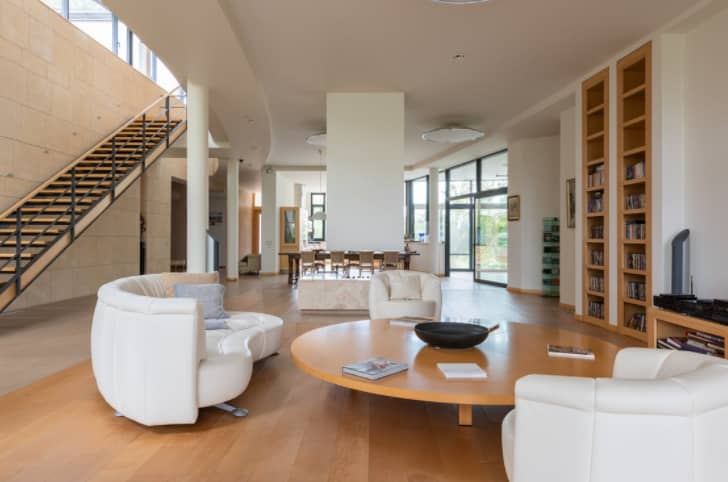
 Interior stone walls are a great design choice to add texture and definition to your home. Depending on the room’s purpose, different types of stones can be used – from lighter earth tones for bedrooms and living rooms to darker shades for kitchens or bathrooms. Natural stones like limestone, marble, or sandstone also look stunning when combined with softer materials such as wood or fabric. Incorporating natural textures throughout the house will create a warm and inviting atmosphere, making your home truly one-of-a-kind.
 Flooring is one of the most important elements of any space, and stone flooring is an excellent way to add a luxurious look without breaking the bank. Whether you opt for natural stone or porcelain tiles that resemble natural stone, there are plenty of ways to incorporate this look into your home. Not only does it offer timeless elegance, but natural stone flooring is also incredibly durable and easy to clean. So, whether you love the classic look of marble or prefer to go for a more organic feel with travertine tiles, your stone house interior design can still be complete. Stone houses have an undeniable allure to them, and the interior design possibilities are almost limitless. From stunning walls to luxurious fireplaces, natural stone elements can completely transform your home into something special.
 One of the first things you should do when trying to appeal to potential buyers is to de-clutter your home. This means eliminating any unnecessary items taking up space. If you have a lot of knick-knacks and other decorations, try to put them away in storage until after your home is sold. You want potential buyers to be able to see the property and imagine their belongings in it without being distracted by your items.
 Finally, one of the best tips for making your home more appealing to buyers is to paint the walls neutral colors. This will make the space seem more extensive and open, which most buyers want. Plus, it will be easier for buyers to imagine their belongings in the room if the walls are blank canvas. If you are planning on selling your home, be sure to keep these tips in mind. By de-cluttering your home, accessorizing, and painting the wall’s neutral colors, you can make it more appealing to potential buyers. Good luck.…
 Your mood is reflected in the colors you choose to paint your rooms. Natural tones, such as blues, greens, and whites work best to create a calm home. The first step in choosing the right color palette for your home is identifying the most important rooms, usually the living room and kitchen. Choosing the color for the following rooms will be easier if you choose neutral colors like white or beige in the living room and kitchen. You can also start by selecting the space that you want to have the most vivid color. This could be the master bedroom. You can then choose shades that blend harmoniously.
 Paint a patio or deck and then beautify it. Spend some time and money painting a patio or deck that needs a fresh coat of paint. These areas should be clean and neat. To make your home more attractive, you can put in planters. Your back and side yards should be maintained. Although not as necessary as the front yard, keeping your back or side yard can make your home look better. Mow your lawn regularly, trim your shrubs, and maintain your garden beds. You can repair or add a fence to your back or front yard. Make sure your wall is not damaged. Installing a fence is a good idea if you don’t already have one.…
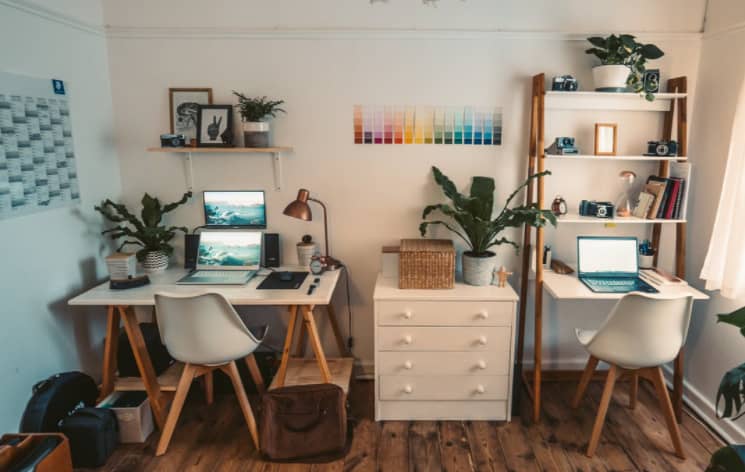
 Chances are you spend all day in the office. You don’t want to spend the rest of the day in a cramped space. Not only does this limit your freedom of movement, but it can also make you feel stifled, which can cause a significant drop in productivity. You should make sure you have enough space in your home to move around. A larger area allows for more traffic, which is essential if you see clients. If you have a job that requires you to meet with other people often, it may be a good idea to separate your office or work area from your main living space. In a separate work area, you can concentrate better, and there is less noise.
 Research has shown that a well-lit area in the office is more pleasing to the eyes and increases productivity. Natural sunlight can also lift your mood and keep you awake in the morning. Sunlight helps you get your daily dose of vitamin D and suppresses melatonin levels in your body, which means you don’t feel tired or sleepy at work. You may want to set up your workstation in a place that gets plenty of natural light during the day. It could be near a window so that sunlight can get through. If you can’t find enough sunlight, you can also use artificial light, such as full-spectrum lamps that mimic natural light.